Cleaning Tips for Allergy and Allergic Asthma Sufferers
- Vacuum carpets and rugs once or twice weekly using a vacuum with a HEPA filter to reduce dust mites and pet dander.
- Wash bedding and linens in hot water regularly and avoid air drying outdoors during high pollen seasons.
- Clean ceiling fans, portable fans, and air vents; clean or replace air filters every one to three months.
- Reduce moisture in bathrooms and basements with exhaust fans and dehumidifiers; remove carpet from damp areas to prevent mold and mites.
Are you one of the 50 million Americans that suffer from allergies? As you already know, triggers outside the home are often beyond your control. But managing allergy causes at home is possible with the right cleaning strategies. In fact, keeping your living space clean is vital for your health; history shows us that dust isn’t just a nuisance—during the 1930s, an epidemic known as “dust pneumonia” swept across the U.S., highlighting just how much airborne particles can affect our respiratory systems.
While modern risks are rarely that extreme, dust and allergens can significantly impact your quality of life. Try these cleaning tips to target areas of your home that may be making your symptoms worse.
Vacuum Regularly and Effectively
Do you have carpeted floors or rugs in your home? Do you have pets? Vacuuming once or twice a week can cut down on allergens, like dust mites and pet dander, lurking in your carpets and under your bed. As long as you use a vacuum that has a HEPA filter—or high-efficiency particulate filter—you can feel more confident that you’re sucking up the allergic triggers rather than just shooting them back out into the air.
Consider Removing Shoes and Carpets
If you live in a home with a lot of carpeting and you feel like you’re suffering from allergies, you may want to rethink your flooring. People with dust mite allergies can be particularly susceptible to allergic causes in carpets. Vacuuming alone isn’t always enough to get rid of these unintentional housemates.
The Asthma and Allergy Foundation of America recommends choosing low-pile rugs that are washable instead of wall-to-wall carpet to reduce allergens. Additionally, implementing a “no-shoes” policy in the house can prevent outdoor pollen and pollutants from being tracked deep into your floor fibers.
Clean Your Fans and Air Vents
Dust gathers on all surfaces, from the highest corner of your ceiling to the dust bunnies under your couch. However, fans and air vents are often overlooked, and they are responsible for circulating those allergens throughout your home. To clean a ceiling fan without spreading dust everywhere, use a microfiber cloth or an old pillowcase to capture the debris. For a deeper clean, use diluted soapy water or an all-purpose cleaner to eliminate unseen germs and mites lingering on the blades.
If you use portable fans, remember to remove the grille (usually held by small clips or screws) to clean the blades inside. Furthermore, your air filters should be cleaned or replaced every one to three months depending on whether you have pets. If you have a reusable filter, run it under warm water until it’s clear and let it air dry completely before reinstalling it.
Mind Bedding, Linens, and Laundry
Dust and asthma are closely connected. In the home, it may be easier to spot dust on shelves and furniture, but don’t forget bedding and laundry. Make sure to not only change your bedding regularly but also to wash them in hot water to eliminate allergy irritants.
Another practice you might not have considered to be harmful is air-drying your laundry outside. If you suffer from seasonal allergies, this leaves your clothing susceptible to picking up whatever pollen or mold spores are floating in the air. Stick to the dryer during high-pollen seasons.
Wear Protective Gear While Cleaning
Ironically, cleaning can be one of the most allergy-triggering activities. Household tidying stirs up dust, pet dander, and other particles that cause flare-ups. When tackling dusty areas like ceiling fans or under-the-bed spaces, consider the following protection:
- Wear a mask: This prevents you from inhaling particles stirred up by vacuuming or dusting.
- Use a hat or shower cap: This protects your hair from falling dust when cleaning high surfaces like fans.
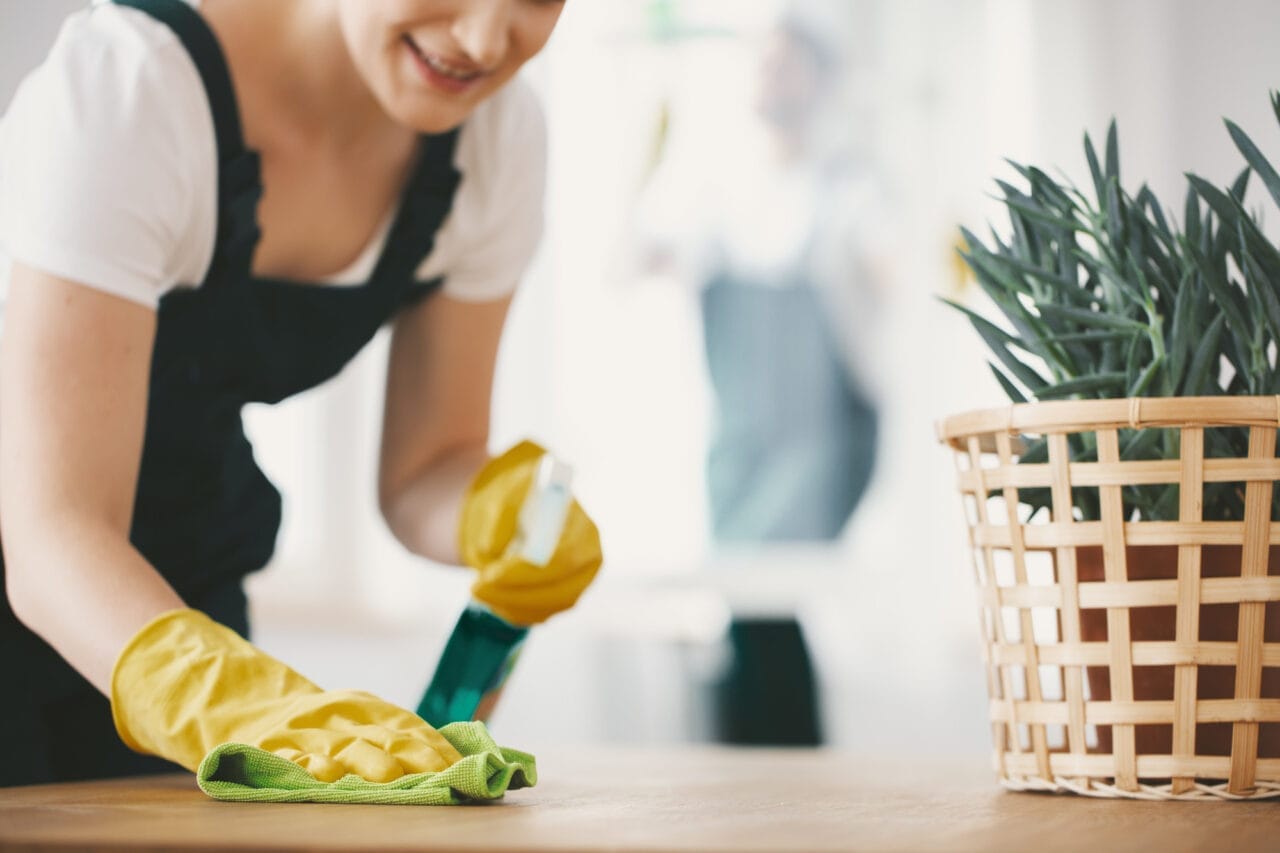
- Wear gloves: This protects your skin from both allergens and cleaning chemicals.
Be Choosy With Cleaning Agents
Cleaning products are another common trigger. Many traditional cleaners contain harsh chemicals and strong fragrances that can trigger asthma symptoms. Choose agents that are fragrance-free and eco-friendly. Natural solutions like vinegar, baking soda, and natural soaps do an excellent job of deep-cleaning without harming your respiratory system or the environment.
Contain Moisture in Bathrooms and Basements
Mold thrives in moist and damp areas, but dust mites also prefer high humidity levels. While it can be a challenge to remove moisture from areas like bathrooms and basements, try these tips for managing safe humidity levels:
- Run the exhaust fan while showering and open windows when possible.
- Keep a dehumidifier in basement areas to reduce dampness.
- Remove carpet from these areas and use washable short-pile rugs instead.
- Regularly inspect areas for signs of mold and mildew—and always wear protective gear when cleaning these issues.
Breathe Easier with Professional Help
Managing a home for allergy and asthma sufferers is a full-time job. If you find it difficult to keep up with the constant dusting, vacuuming, and deep-cleaning required to keep your symptoms at bay, Rescue My Time Cleaning Service is here to help. We serve Lawrenceville, GA, and the surrounding areas, providing the thorough, professional cleaning you need to breathe easy in your own home. Contact us today to request a quote and let us take the “dust work” off your hands!
Share this article
Related Posts


Follow us
A quick overview of the topics covered in this article.